Dr. Kerry Reeves
The framework
came from a discovery.
SYSTEMFLOW wasn't designed in a conference room. It came from years of watching good care fail to become real outcomes and finally understanding why.
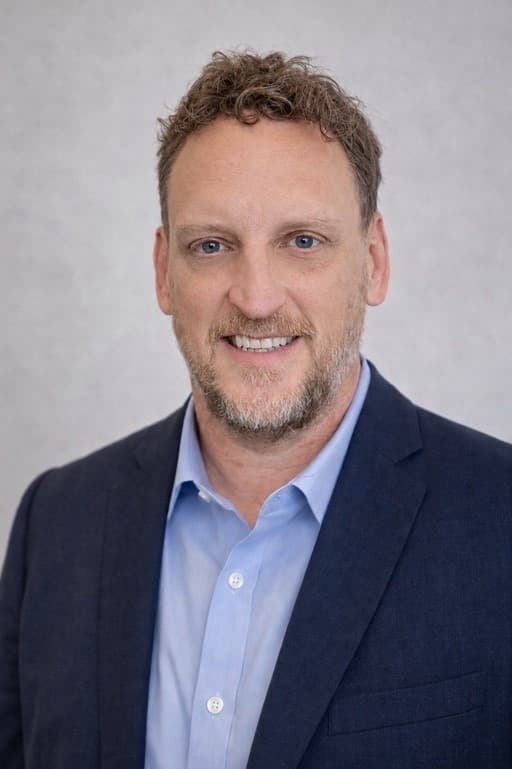
Dr. Kerry Reeves, OD
The idea
Better care wasn't enough. Something else decided the outcome.
To see what, he had to leave the exam room.
Why SYSTEMFLOW exists
The exam was right. The recommendation
was right. And still, nothing changed.
Most clinicians are taught that good care produces good outcomes. Diagnose correctly, explain clearly, recommend the right treatment and the rest takes care of itself.
Dr. Kerry Reeves believed that too. Then he spent years watching it not be true.
That gap between what's decided in the room and what actually happens in a person's life became his life's work. Not because the care was wrong, but because no one had designed the system that carries it forward. SYSTEMFLOW is what he built to close it.
You now believe
A framework is only as good as the problem that forced it into being.
So here’s the problem that forced this one.
The discovery
A pattern he couldn't stop seeing.
The same failure appeared everywhere he practiced until the location stopped mattering, and the real cause became impossible to ignore.
The mission trips
Haiti
Better care wasn’t enough
On early trips to Haiti, he removed every barrier he could: no cost, no pharmacy, drops placed directly in patients' hands. He expected outcomes to improve. Most didn't. The medication went unused - not from lack of access, but from something else entirely.
The bigger bet
Haiti · full-time
So he removed access as a variable
He and his wife sold their practice and moved to Haiti full-time to build real clinics with consistent staff and continuity of care. If access was the problem, this would fix it. Follow-through still didn't improve the way he expected. It was no longer a coincidence it was a system failure.
Back home
United States
The same pattern, different clothes
Back in a U.S. practice, the identical problem reappeared: dry eye patients who stopped their drops, glaucoma prescriptions left on the nightstand, myopia plans that slipped. Different country, different resources, same outcome. It wasn't a place problem. It wasn't a patient problem.
The realization
The shift
The exam room was the starting line, not the finish
He stopped asking "what does this patient need?" and started asking "how is this actually going to happen?" The answer wasn't more effort or better explanations. It was structure — a system designed to carry the plan into real life, where outcomes are actually decided.
And then the question got bigger. What began as "why do patients fail to follow through?" became "why do capable people and organizations repeatedly produce outcomes nobody intended?" The follow-through gap wasn't a healthcare problem. It was a systems problem and it was everywhere.
Today
SYSTEMFLOW
A framework anyone can learn
That question became a complete way of seeing: outcomes come from systems, and systems can be designed. Healthcare is where Kerry discovered and tested the pattern — but SYSTEMFLOW is a framework for any leader or organization producing results they didn’t intend. It turns the discovery into something any operator can learn, apply, and build on.
You now believe
This wasn't invented to sell. It was discovered, the hard way, over years.
Which is why the work is structured the way it is.
How the work fits together
The person. The framework.
The practice.
Three parts, in order the person who discovered it, the framework that teaches it, and the place it's proven in practice.
The guide
Dr. Kerry Reeves
The optometrist who spent years finding the gap between good care and real outcomes — and built the system that closes it.
The framework
SYSTEMFLOW
The educational body of work: see systems, understand how they behave, and learn to build better ones.
In practice
EyeCoin
A healthcare system being built and tested using SYSTEMFLOW principles engineered so patients follow through by design, not willpower.
You now believe
This is a way of thinking with principles behind it - not a personality.
Here's what those principles are.
What Kerry believes
The principles underneath
the work.
Hope is not a system
Good intentions don't produce outcomes. Structure does. If a result depends on someone remembering or trying harder, it isn't designed yet.
Blame the system, not the person
When results repeat, the cause is rarely effort or character. It's the structure quietly producing them and structure can be redesigned.
The exam room is the starting line
Outcomes aren't decided in the moment of advice. They're decided in the messy space afterward so that's where the system has to reach.
Teach before it sells
Understanding comes first. When people can see the system for themselves, the right decisions become obvious no persuasion required.
You now believe
The person behind this has lived every part of it.
Here's the short version of who he is.
In brief
Optometrist. Founder. Author. Systems builder
Clinical practice gave Kerry the questions why capable people and good care so often fail to produce the outcome everyone intended. Building organizations broadened them. He writes and speaks on why results stall, and how to build the systems that make the right outcome the default.
- Optometrist, OD
- Founder, SYSTEMFLOW
- Founder, EyeCoin
- Author, The Follow-Through Gap
- Speaker
The discovery is the beginning.
The system is the rest.
Bring SYSTEMFLOW to your team, your stage, or your inbox.